What Happens During A Professional Septic Inspection In Mackay
A septic system handles wastewater largely out of sight, so it is not always obvious when it needs attention. A professional inspection provides a closer look at the system’s condition, potential maintenance needs and any visible concerns. For property owners considering septic pumping in Mackay, an inspection can also help establish whether the tank is ready for a pump-out or requires another type of attention.
Why a Professional Septic Inspection Matters
Because most of a septic system sits below ground, property owners cannot rely on appearance alone to understand how it is performing. Changes may first become noticeable through the household plumbing or conditions around the tank and disposal area.
A professional septic tank inspection allows accessible parts of the system to be assessed and provides useful information about its current condition. It can be particularly valuable when the servicing history is unclear, the property has changed hands or something about the system appears different from usual. For landlords and property owners who do not live at the premises, an inspection can also provide a practical opportunity to check the system rather than relying solely on problems being reported.
Reasons to arrange an inspection can include:
- Drains becoming noticeably slower than usual.
- Persistent odours around the septic tank or disposal area.
- Pooling water or unusually wet ground near the system.
- Gurgling or other changes in household drainage.
- An unknown or incomplete servicing history.
- Planning upcoming septic maintenance.
These signs do not necessarily point to one specific problem. An inspection helps establish what can be observed at the property so the next step can be based on the condition of the system rather than guesswork.
What a Septic Inspection in Mackay Involves
The inspection process can vary according to the type of septic system, its condition and the accessibility of its components. The layout of the property and location of the tank and disposal area can also influence what can be assessed.
A technician may examine accessible parts of the tank and surrounding system to build a clearer picture of its condition. Depending on the property and system, this can include:
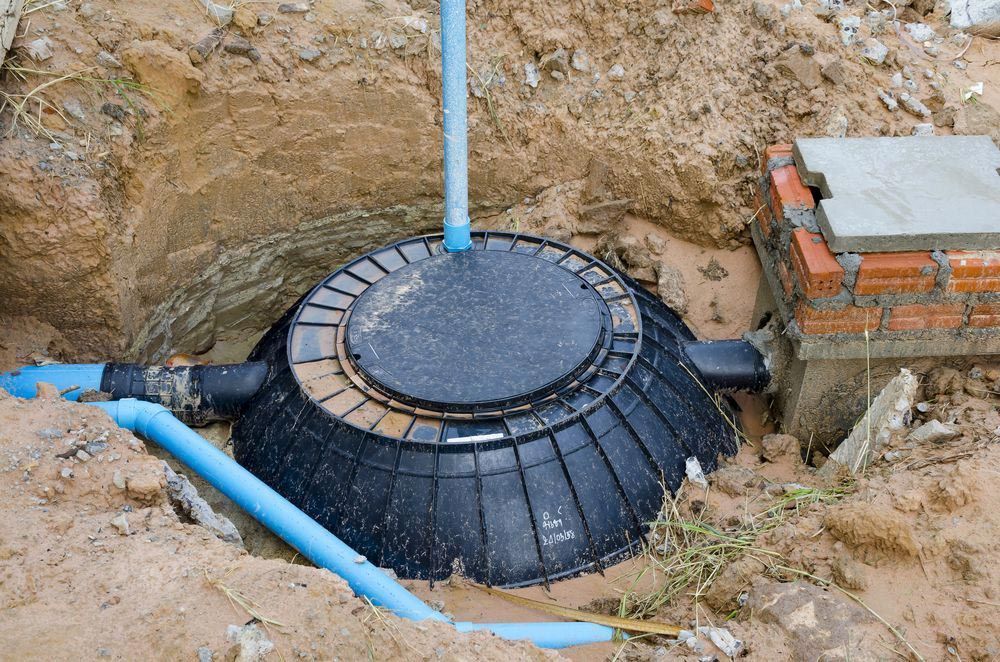
- The condition of accessible tank lids and access points
- The level of waste and solids within the tank
- The visible condition of accessible components
- Evidence of leaks, overflow or deterioration
- Unusual moisture or wastewater around the system
- Conditions around the disposal area
The assessment is not limited to the tank itself. Persistent odours, wastewater reaching the surface or noticeable changes to the surrounding ground may provide additional information about how the broader system is operating. Looking at the system as a whole provides more context than considering the contents of the tank in isolation.
Together, these observations can help determine whether the system can continue with routine septic system maintenance or whether servicing, repairs or further assessment should be considered.
The Tools and Techniques Our Technicians Use
A professional septic inspection combines observations at the property with an assessment of accessible parts of the system. The equipment and techniques required will depend on the system configuration, site access and the conditions encountered during the visit.
Information from the property owner also provides useful context. Before the inspection, it can help to mention:
- Recent changes in household drainage.
- Recurring or unusual odours.
- Gurgling from sinks, showers or other plumbing.
- Wet areas that have appeared near the system.
- Previous septic problems or repairs.
- The approximate date of the last service, if known.
This background can help establish whether an issue is recent, recurring or associated with a longer-term maintenance concern. Providing any available servicing records can also give the technician useful background about previous work completed on the system.
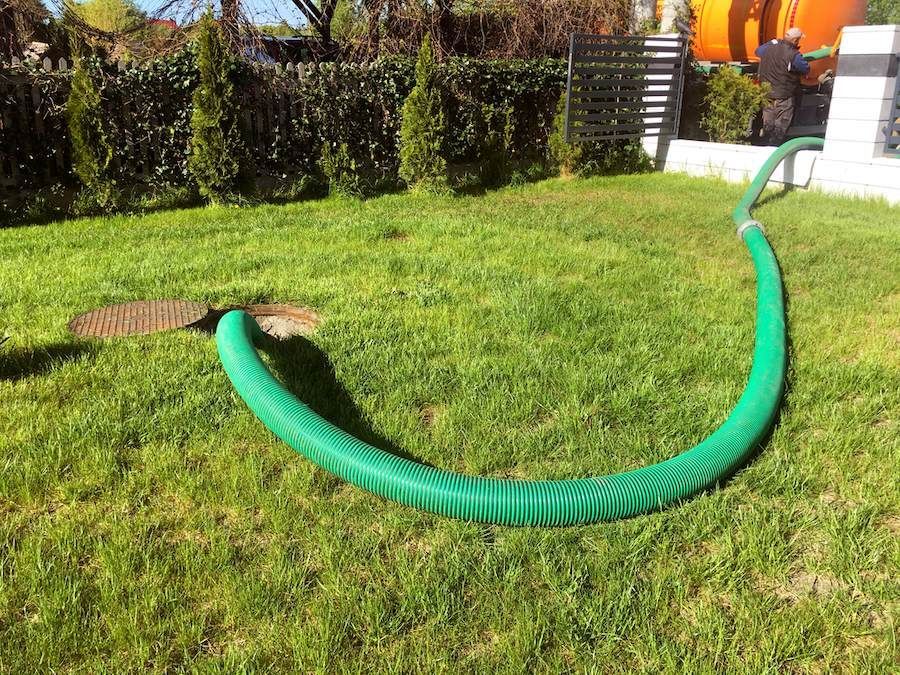
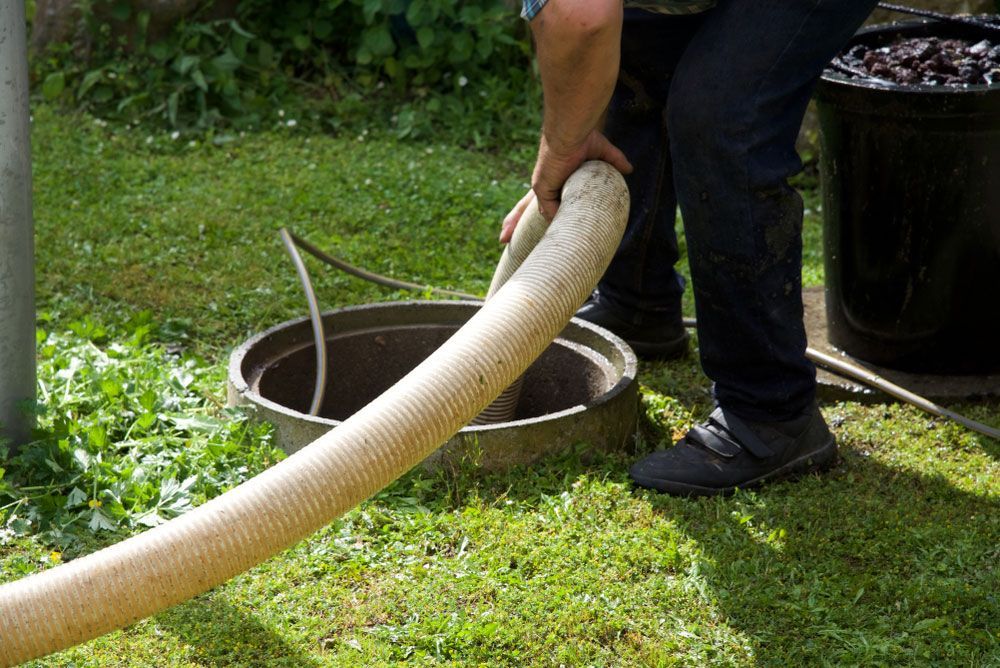
Where the tank can be safely accessed, its contents and visible condition can be assessed. If the assessment shows that waste needs to be removed, specialised pumping equipment can be used to empty the tank. A
septic tank pump out in Mackay can then be arranged as the appropriate servicing step rather than treating pumping as an automatic part of every inspection.
What the Inspection Report Tells You
Once the inspection is complete, the findings provide a clearer understanding of what was observed and what, if anything, should happen next. This information can help property owners distinguish between routine servicing requirements and concerns that may need closer attention.
Depending on the system and scope of the inspection, the findings may address:
- The condition of accessible parts of the system
- Waste levels observed within the tank
- Conditions around the tank and disposal area
- Whether servicing or pumping is appropriate
- Concerns that may warrant additional investigation
- Suggested maintenance considerations
The findings can also provide a useful reference point for future servicing. If conditions change later, previous information may help show what was observed during an earlier visit and what work was carried out afterwards.
Keeping records of inspections, pump-outs and other septic work can be useful for homeowners, landlords and rural or acreage property owners. Over time, these records create a clearer maintenance history and provide useful background when the system is inspected again.
An inspection reflects the condition of the system at a particular point in time. Continuing to pay attention to changes between visits remains an important part of looking after it.
How Often Should You Book an Inspection?
There is no single inspection schedule that suits every septic system. How frequently a system needs attention can depend on its size, type, household use and previous servicing history. A schedule that suits one property may therefore be inappropriate for another, particularly where household occupancy or water use differs considerably.
Factors that may influence maintenance requirements include:
- Household occupancy: More occupants generally mean more wastewater entering the system.
- Tank capacity: The size of the tank affects the amount of waste it can accommodate.
- Water usage: Household water use influences the volume of wastewater entering the system.
- System type: Different septic configurations can have different maintenance requirements.
- Previous servicing: Earlier inspections and pump-outs provide useful information about how the system has been maintained.
- Changes in use: Additional occupants or changing water use can alter the demands placed on the system.
For these reasons, how often you may need septic pumping in Mackay will depend on your particular system rather than one fixed interval for every property. It is also useful to understand how often to schedule septic pumping when planning ongoing servicing. Routine inspections sit alongside the broader best practices for septic systems that property owners can follow when managing ongoing maintenance.
Regardless of the usual schedule, do not ignore changes between services. Persistent odours, recurring slow drains, wastewater backups or unusually wet areas near the system may indicate that it should be assessed sooner.
Booking Septic Pumping and Inspection with C & C Hire
Understanding the condition of a septic system makes it easier to plan appropriate servicing and respond when something changes. A professional inspection can provide useful information about the tank and surrounding system, while timely pumping removes accumulated waste when it is required.
C & C Hire provides septic inspections, diagnostics, maintenance and
septic pumping in Mackay. If your septic system is due for attention or you have noticed changes such as slow drainage, unpleasant odours or pooling water,
contact the team to arrange an inspection and discuss the appropriate service for your property.
Frequently Asked Questions
What are the signs that a septic tank may need pumping?
Possible warning signs include slow drains, unpleasant odours, gurgling plumbing, wastewater backups or unusually wet ground near the septic system. These symptoms can have different causes, so an inspection can help establish whether pumping or another form of attention is appropriate.
What happens if a septic tank is not pumped when needed?
Solids and other waste accumulate in a septic tank over time. If the tank requires pumping and servicing is delayed, the build-up can reduce its available capacity and may contribute to problems with the system. Appropriate maintenance helps remove accumulated waste when required.
Can a septic inspection identify problems with the system?
An inspection can identify visible conditions and other signs that may indicate maintenance, servicing or further investigation is required. What can be assessed depends on the type of system, accessibility and scope of the inspection, so a routine inspection may not identify every possible issue.
Should a septic tank be inspected before pumping?
Assessing the system can provide useful information about the tank’s condition, waste levels and any visible concerns before the appropriate service is determined. Whether a separate inspection is necessary will depend on the system, its maintenance history and the reason for the service.