How Mackay Households Can Improve Everyday Waste Management
Most households throw more away than they realise, and much of it could be reduced, sorted or disposed of more efficiently with a few simple changes. For residents, effective waste management in Mackay starts at home – with smarter daily habits – but often needs professional support for the things kerbside bins and DIY sorting can't handle.
Between general rubbish, recycling, green waste and septic systems, the average household deals with several waste streams at once. Getting each one right matters – not just for tidiness, but for hygiene, council compliance and avoiding costly problems like septic overflows or contaminated recycling loads.
Rethinking Everyday Household Waste
Household waste isn't a single problem – it's several running in parallel. General rubbish, recyclables, organic scraps and liquid waste from bathrooms and kitchens all need different handling, and treating them the same way is where most households go wrong.
A useful starting point is thinking about waste by volume and frequency rather than by bin colour. A family of four generates rubbish daily, recycling weekly and green waste seasonally. Liquid waste, particularly for homes on septic, builds up constantly, whether it's visible or not. Mackay's climate adds another layer: heavy wet season rainfall increases the load on septic systems and can accelerate problems that dry weather habits never exposed.
According to industry best practice, the households that manage waste most effectively are the ones that separate these streams early, rather than trying to sort everything out at collection time. That single shift – thinking in categories instead of one general ‘rubbish’ pile – makes every other step in this guide easier to apply.
Simple Habits That Reduce Waste at Home
Reducing household waste doesn't require a major lifestyle overhaul. It comes down to a handful of consistent habits that, applied together, noticeably cut what ends up in landfill.
Consider these practical starting points:
- Plan meals around what you already have – food waste is one of the largest contributors to household rubbish, and most of it is avoidable with better planning.
- Choose reusable over single-use – containers, shopping bags and water bottles reduce packaging waste at the source.
- Compost food scraps and garden clippings where possible, rather than sending organic matter to landfill.
- Buy in appropriate quantities – bulk buying only helps if the household actually uses what it buys before it spoils.
- Repair or repurpose before replacing – furniture, appliances and clothing often have more life left than households assume.
For example, a Mackay household that switches to weekly meal planning and starts composting vegetable scraps can often cut its general waste bin volume noticeably within a few months – without any special equipment or cost. Small, consistent habits like this compound over time far more than occasional big clean-outs.
Sorting, Recycling & Disposing Responsibly
Correct sorting is where most household recycling efforts fall apart – not because people don't care, but because the rules aren't always intuitive. Contaminated recycling bins (rubbish mixed with recyclables) can result in an entire load being redirected to landfill, undoing the effort altogether.
A few sorting principles apply consistently across most Mackay households:
- Rinse containers before placing them in recycling – food residue is a common contaminant.
- Keep soft plastics, like bread bags and cling wrap, out of kerbside recycling; these need dedicated collection points.
- Flatten cardboard to save space and make collection easier.
- Separate green waste from general rubbish, since many councils process it differently.
- Take hazardous items – batteries, paint, electronics – to designated drop-off points rather than the general bin.
Good household habits are the first step, but professional
waste management in Mackay handles what everyday sorting cannot – bulk waste, renovation debris or anything outside standard kerbside limits. If your needs go beyond kerbside collection, our guide on
choosing the right waste management service explains what to look for when comparing local providers.
Managing Household Liquid & Septic Waste
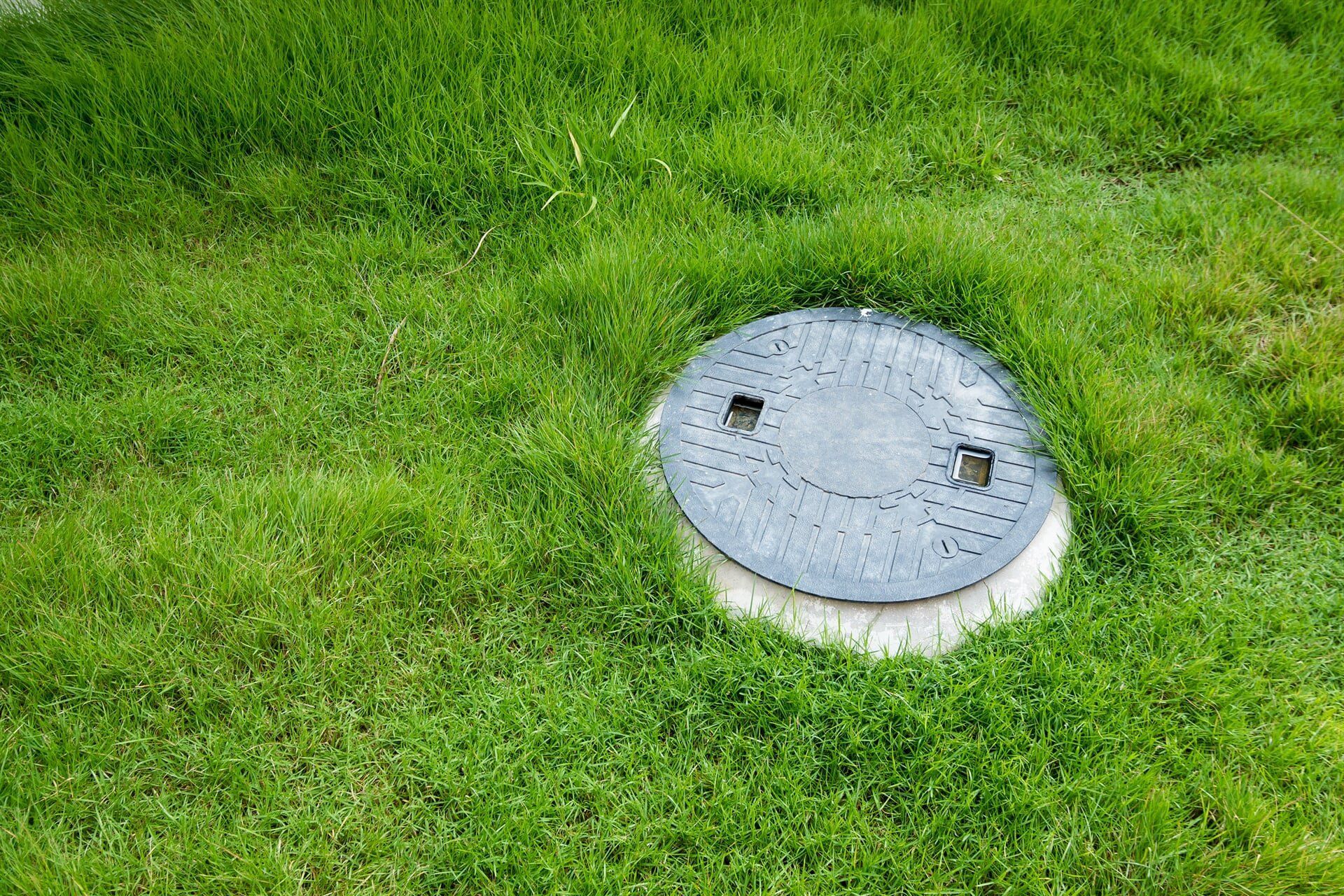
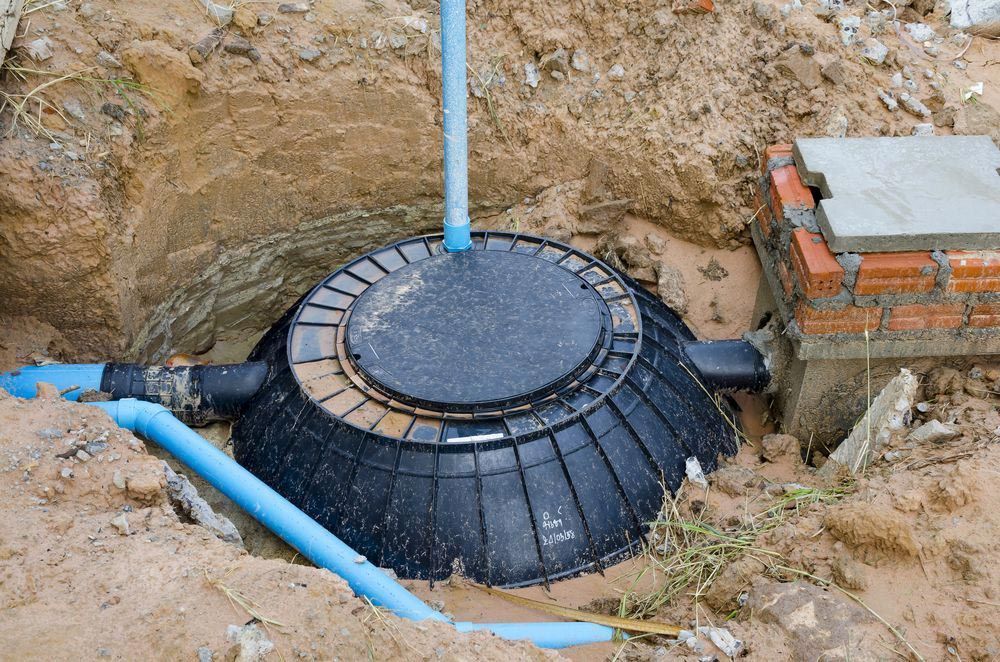
Liquid waste is the part of household waste management that's easiest to overlook, largely because septic systems work quietly out of sight until something goes wrong. For Mackay homes not connected to town sewerage, the septic tank is doing constant, ongoing work processing wastewater from every sink, shower, toilet and washing machine in the house.
A septic system relies on natural bacterial breakdown to separate solids from liquid waste. Overloading it – through excessive water use, harsh chemicals or non-biodegradable items flushed down the toilet – disrupts that process and accelerates the buildup of solids in the tank. Left unmanaged, this leads to slow drains, unpleasant odours and eventually system backups that are far more disruptive and costly to fix than routine maintenance would have been.
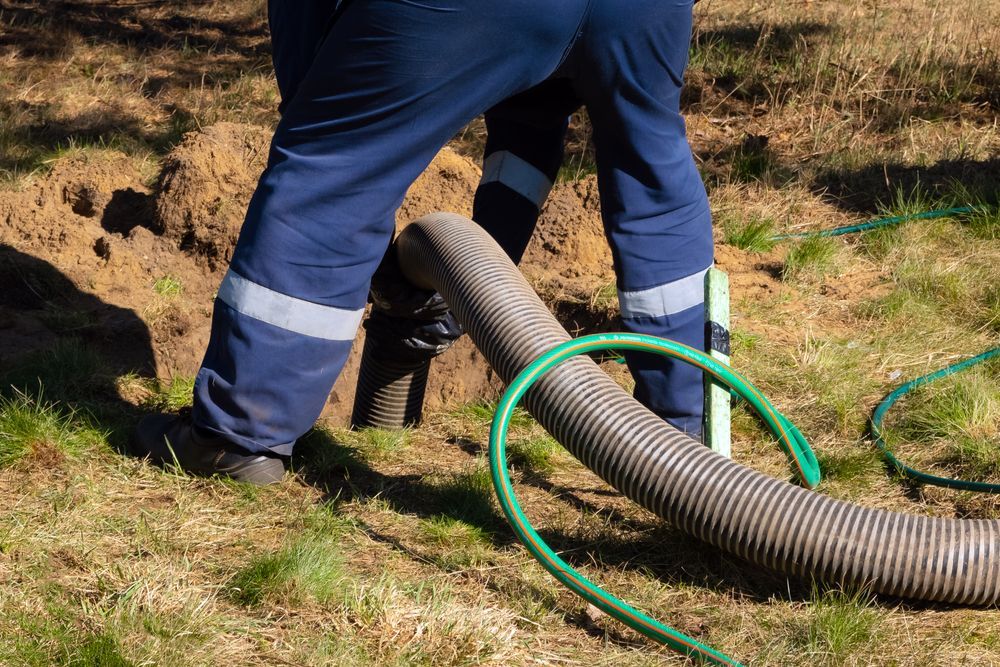
Households on septic systems should factor in regular septic pumping Mackay servicing as part of managing their waste responsibly. Pumping removes accumulated solids before they overwhelm the system, and doing it on a proactive schedule – rather than waiting for visible problems – is significantly cheaper and less disruptive over the life of the tank.
Seasonal care matters too, and our tips on preparing your septic system for the wet season help households avoid backups after heavy rain, when saturated ground reduces the system's ability to drain effectively.
When to Call in a Professional Service
Not every waste problem can be solved with better sorting or a household habit change. Recognising when a situation calls for professional intervention is part of responsible household waste management. Attempting to manage bulk waste, blocked septic systems or hazardous materials without the right equipment can make the problem worse.
Common signs it's time to bring in a professional:
- Slow-draining sinks, toilets or showers that don't resolve after basic troubleshooting.
- Unpleasant odours near the septic tank or drain field.
- Visible pooling water in the yard, particularly near the septic system.
- Renovation, moving or clean-out waste that exceeds standard bin capacity.
- Any waste stream you're unsure how to legally or safely dispose of.
Acting early on these signs almost always costs less than waiting. A septic system that's pumped before it overflows avoids the mess, hygiene risk and repair costs that come with a full backup – and a household that arranges a bulk waste collection before a shed reaches capacity avoids the scramble of an urgent, last-minute clean-out.
Smarter Household Waste Management with C & C Hire
Everyday habits go a long way, but every Mackay household eventually needs a professional partner for the waste that sorting and good intentions can't handle alone. C & C Hire supports local households with reliable waste management and septic servicing, built around the realities of Mackay's climate and council requirements.
Whether it's a scheduled septic pump-out, a bulk waste collection or advice on managing waste ahead of the wet season, getting the right support in place before problems arise is the simplest way to keep a household running smoothly. Start with the daily habits in this guide, then lean on a professional service for the parts that need it. That combination is what genuinely effective household waste management looks like.
Contact C & C Hire to learn more today.
Frequently Asked Questions
How often should a household septic tank be pumped in Mackay?
This depends on tank size, household size and water usage, but most residential systems benefit from regular scheduled pumping rather than waiting for visible problems. A local septic service can recommend a specific interval based on your system.
What household items should never go into a septic system?
Wet wipes, sanitary products, cooking oil and harsh chemical cleaners should never be flushed or drained into a septic system, as they don't break down the way the system is designed to handle and can cause blockages or damage the bacterial balance.
Can heavy rain affect a septic system's performance?
Yes. Saturated ground during Mackay's wet season reduces the drain field's ability to absorb liquid waste, which can cause slower drainage or backups, particularly in systems that are already close to capacity.
What's the difference between general waste and bulk waste collection?
General waste refers to standard kerbside rubbish collected on a routine schedule, while bulk waste covers larger volumes – such as renovation debris, furniture or full property clean-outs – that exceed normal bin capacity and typically require a dedicated collection or skip service.