How Often Should You Really Schedule Septic Pumping In Mackay?
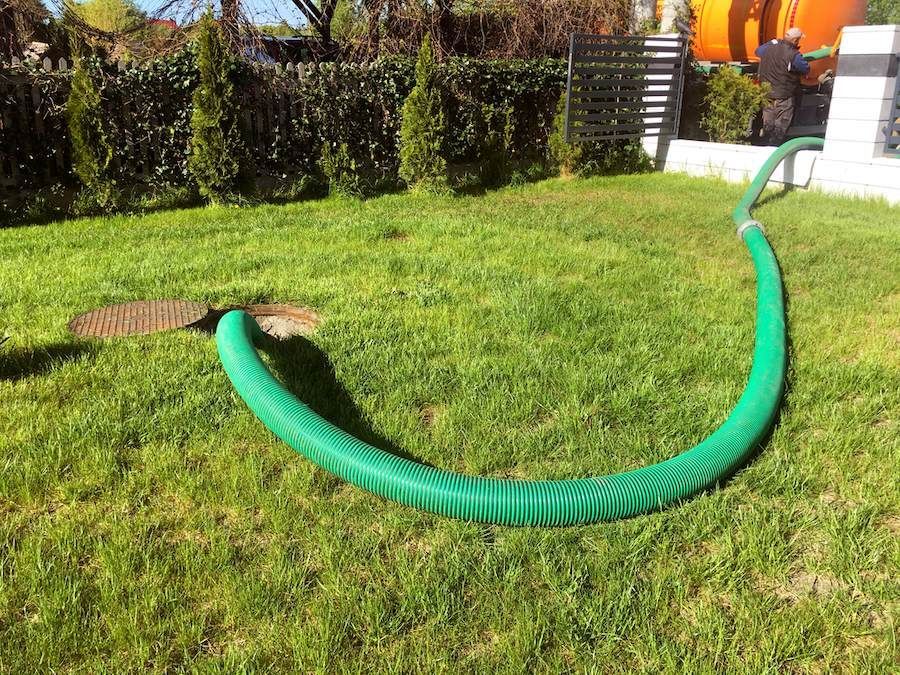
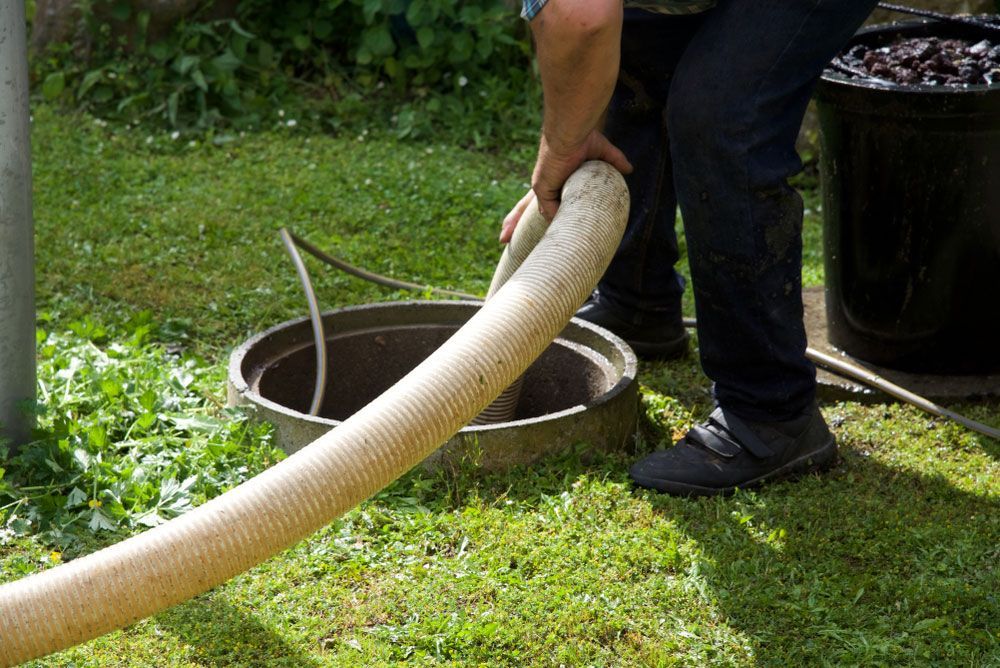
If you’ve got a septic system, it’s normal to feel unsure about timing. Some people hear “every few years”, others get told to pump it annually and then someone else says they’ve never touched theirs. The truth is, the right schedule depends on how your system is used and what your block is like. A well-timed septic tank pump out in Mackay helps prevent nasty surprises, protects your drainfield and keeps routine maintenance from turning into an urgent call-out.
Why There Isn’t a One-Size-Fits-All Schedule
Septic tanks don’t fill at the same rate for every household. Two homes with the same tank size can have completely different pumping needs depending on usage, waste type and local ground conditions. That’s why a set-and-forget schedule can be either too often or not often enough.
To work out a realistic starting point, consider:
- How many people live in the home and how often the property is occupied.
- Whether you’re on a small residential block or a larger rural property.
- Any history of issues, such as slow drains, odours or past overflows.
Once you understand what drives the buildup, it’s easier to plan a pumping rhythm that matches your property.
Start With Household Size & Daily Water Use
The biggest driver of pumping frequency is usually how much water moves through the system. More showers, more laundry and more dishwashing means more wastewater entering the tank. Higher flow can stir up solids, reduce settling time and push material toward the outlet sooner than expected.
A quick check on day-to-day habits helps, including:
- The number of people using the bathroom and kitchen each day.
- High-water appliances like top-load washers and long, frequent showers.
- Extra usage from guests, teenagers or multi-generational households.
Small changes in water use can make a noticeable difference, especially in busy family homes.
Tank Capacity & Design Make a Big Difference
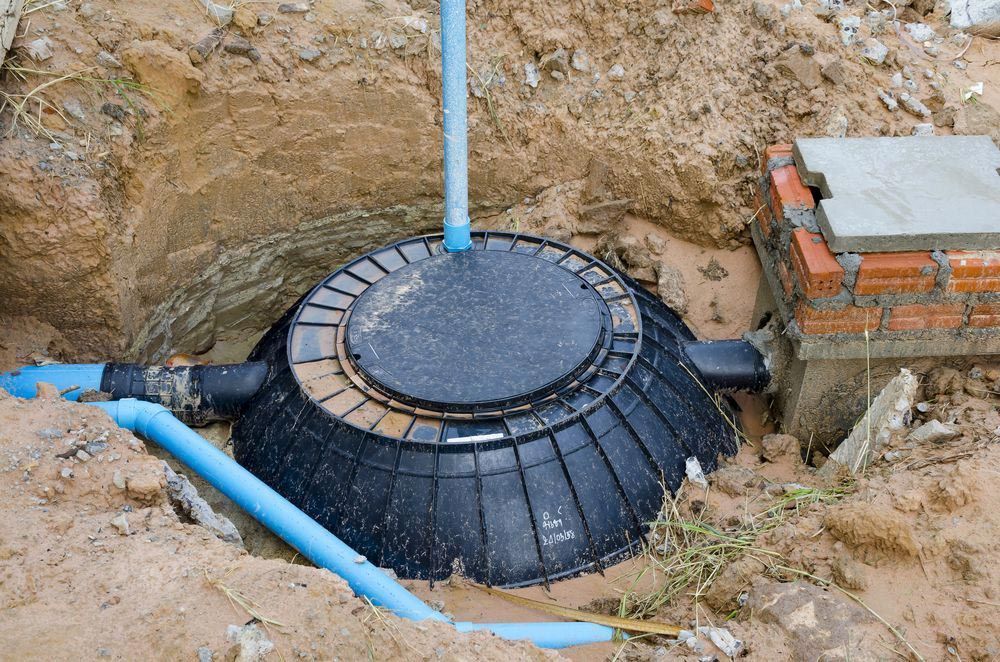
Tank size matters, but so does the design. Some tanks have multiple compartments, some are older styles and some systems are paired with treatment components. A larger tank generally gives solids more time to settle, but it still needs pumping at the right intervals to prevent sludge and scum building up too much.
When thinking about capacity, look at:
- The tank volume and whether it suits the household size.
- The age of the system and whether it has been modified over time.
- Any additional components, such as pumps, filters or treatment units.
Matching the schedule to your specific setup avoids guessing and helps prevent unnecessary wear on the rest of the system.
What You Flush Matters More Than You Think
Septic tanks are designed for human waste and toilet paper, not “everything that disappears down the loo”. Items that don’t break down can build up quickly, block outlets and create problems that feel sudden but have been developing for months. Grease and oils can also harden and reduce the tank’s effective capacity.
To reduce strain on the system, keep an eye on:
- Wipes, hygiene products and paper towels, even if they claim to be flushable.
- Cooking oils, grease and food scraps washed down the sink.
- Harsh chemicals used too frequently, which can disrupt the tank’s natural breakdown.
The cleaner the inputs, the more predictable the pumping schedule tends to be.
Mackay Conditions That Can Shift the Timing
Local conditions play a bigger role than many homeowners expect. Soil type influences how well the drainfield absorbs and disperses effluent, while heavy rain can saturate the ground and reduce the system’s ability to cope. During wetter periods, septic pumping in Mackay can become more time-sensitive, particularly for properties that already sit on heavier soils or low-lying areas.
When you factor in local conditions, focus on:
- Whether your yard holds water during the wet season or after heavy downpours.
- The slope of the block and where stormwater flows during rain.
- Signs of drainfield stress, such as damp patches that linger longer than usual.
A system that’s fine in the dry can struggle in prolonged wet weather, so it’s worth planning with seasons in mind.
Warning Signs Your Tank May Be Due Sooner
Even with a rough schedule in place, the system itself will usually give clues when it’s under pressure. The trick is to act before those signs turn into a backup or overflow. Early attention is also often simpler and less disruptive than leaving it until the problem is obvious.
If you notice changes around the home or yard, watch for:
- Slow drains, gurgling sounds or toilets that flush differently than normal.
- Unpleasant smells inside, near the tank area or around outdoor drains.
- Wet, spongy patches of grass or pooling water where it shouldn’t be.
These signs don’t always mean the tank is full, but they do mean it’s time to investigate rather than wait.
Protect Your Drainfield Between Pump-Outs
Pumping the tank is only part of keeping the whole system healthy. The drainfield is where treated effluent disperses, and it can be damaged by compaction, excess water and poor surface drainage. A struggling drainfield can create problems even if the tank itself has been pumped on schedule.
To keep the drainfield functioning properly, prioritise:
- Keeping vehicles, heavy equipment and storage off the drainfield area.
- Directing roof and surface runoff away so the soil doesn’t stay saturated.
- Avoiding deep-rooted plants that can interfere with pipes and distribution.
A bit of care outside helps the system work as designed, which reduces the likelihood of urgent issues.
Planning Your Next Septic Pump Out in Mackay
A useful schedule is one you can follow without guesswork. When you balance household size, water use, tank capacity and local conditions, you’ll get closer to the right timing for your property. It also helps to keep simple records, so you’re not relying on memory when a question comes up during a sale, tenancy change or routine inspection.
To stay organised year to year, set up:
- A record of the last pump-out date and any notes about sludge levels or issues.
- A reminder window based on your household use, not a generic rule of thumb.
- A plan to book earlier if wet weather, guests or increased use are expected.
With a clear baseline, it’s easier to maintain the system calmly rather than reacting when something goes wrong.
Organise Your Next Pump-Out
If you’re due for a septic tank pump out in Mackay, we can help you take the uncertainty out of the process. At C & C Hire, we’ll ask the right questions about your household use and property conditions, then help you schedule pumping at a time that suits you. Mackay’s wet season, heavier soils in some areas and the realities of rural access can all affect how septic systems behave, so it’s worth getting onto maintenance before small warning signs become big interruptions. Contact us to book your pump-out and keep your system running smoothly.