How Mackay Businesses Can Cut Costs with Smarter Waste Management Plans
Waste management is one of those business costs that tends to run in the background — regular enough to be predictable, but rarely examined closely enough to question whether it's actually set up correctly. For many Mackay businesses, the waste management plan they're currently running was set up at the start of operations and hasn't been reviewed since. That's often where the overspending starts. Getting waste management Mackay businesses actually need — rather than a generic service that seemed reasonable at setup — can meaningfully reduce recurring costs while keeping your business compliant with local and state requirements.
Why Waste Management Costs Add Up for Mackay Businesses
Commercial waste costs aren't just about bin collection. They include the frequency of collections, the size and number of bins, disposal fees for different waste streams, compliance costs and in some cases penalties for non-compliance or emergency callouts when a system isn't working as it should.
Mackay's industrial and commercial mix — spanning mining services, agriculture, construction, hospitality and retail — means waste volumes and waste types vary considerably from one business to the next. A commercial kitchen generates a very different waste profile from a fabrication workshop or a retail centre, and a generic plan applied across different business types rarely reflects actual needs.
Businesses also tend to underestimate the cost of inefficiency in their waste handling. Overfilled bins that can't be collected on schedule, waste streams mixed when they should be separated and compliance requirements that weren't built into the original plan all create costs that don't show up as a single line item but accumulate across the year.
Matching Your Waste Plan to How Your Business Operates
The starting point for reducing waste costs is understanding what your business actually generates — how much, how often and what type. A waste plan that was set up based on estimates rather than actual usage will almost always be either oversized or undersized for real operational needs.
For businesses with variable output — such as those tied to project cycles, seasonal demand or shift-based operations — a fixed collection schedule may not be the most cost-effective approach. More frequent collections during peak periods and scaled-back service during quieter times can reduce costs without creating a waste management problem.
Waste stream separation is another area where matching the plan to operations pays off. Many businesses are paying general waste disposal rates for material that could be collected and processed at a lower cost as a separated stream — cardboard, metals, organics and certain construction materials all have disposal pathways that are cheaper than general waste when properly separated. Before you commit, our guide on choosing the right waste management service walks through what separates a reliable provider from a cheap one.
Where Businesses Commonly Overspend on Waste
Several patterns of overspending come up repeatedly when commercial waste plans are reviewed:
Bin sizes that don't match output. Businesses paying for large bins that are consistently collected half-full are paying for capacity they don't use. Equally, undersized bins that overflow before collection day create operational problems and sometimes penalty charges. Getting the bin sizing right for actual usage — not estimated usage — is one of the simplest ways to reduce waste costs.
Collection frequency that isn't optimised. Daily collection is appropriate for some businesses and unnecessary for others. A service level that was set at setup and never adjusted to actual usage patterns can mean paying for more collections than the waste volume warrants.
Mixed waste streams. Disposing of all waste as general waste is the most expensive option. Businesses that separate recyclables, organics and specific material types from general waste typically reduce their disposal costs. The upfront investment in the right bins and a staff process is generally recovered quickly through lower collection costs.
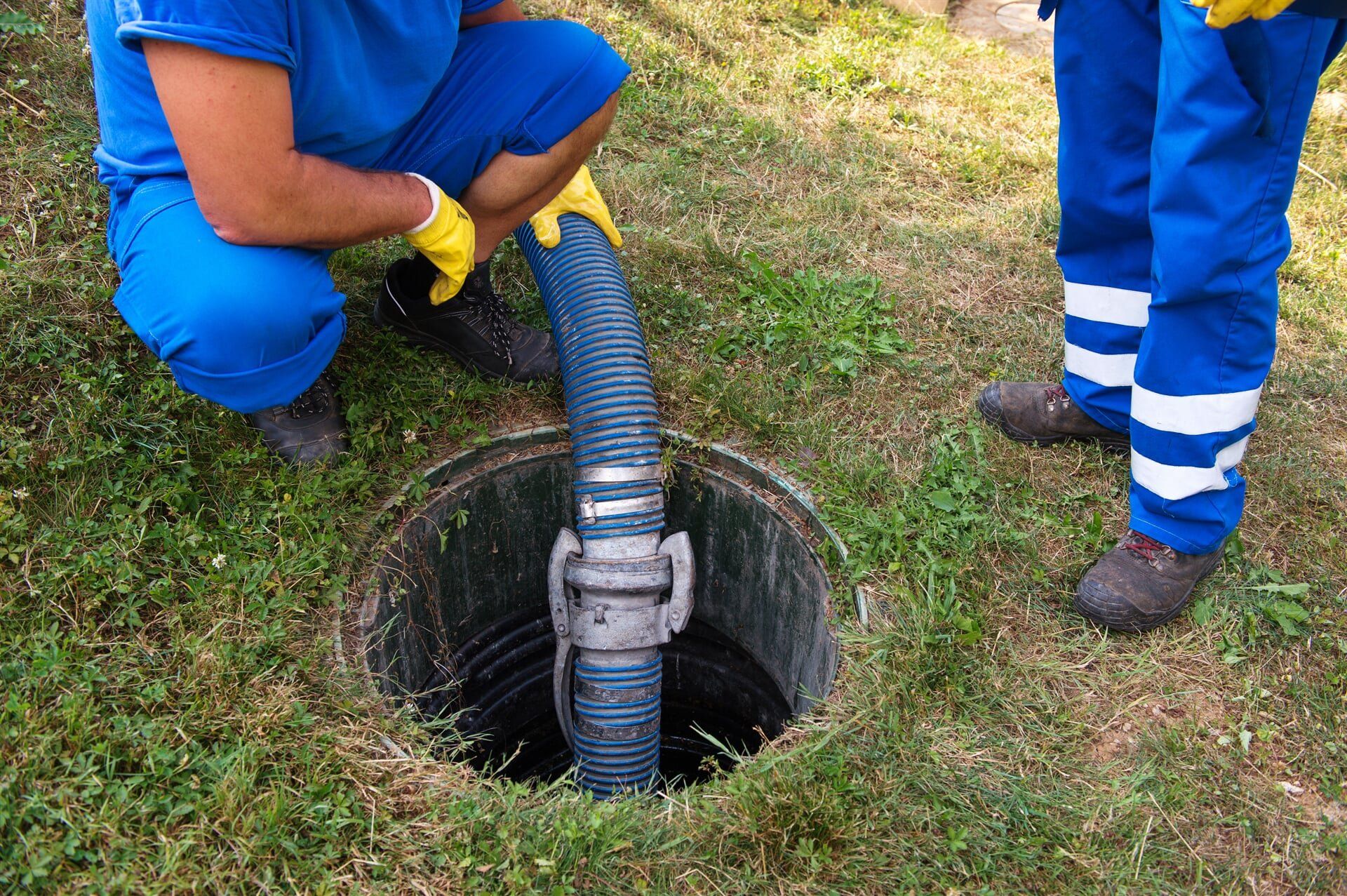
Emergency callouts. Reactive waste management — calling for a service when a problem has already developed — costs more than scheduled maintenance. This applies to general commercial waste services and more acutely to businesses managing on-site wastewater or septic systems. For businesses on rural sites, a scheduled
septic tank pump out Mackay service can be built into the same plan to avoid emergency callouts that cost significantly more than a scheduled visit.
Staying Compliant While Controlling Costs
Waste compliance and cost management aren't in tension — a well-structured waste plan addresses both at the same time. The compliance risk for businesses that don't have a properly documented and executed waste management plan is real: penalties for non-compliant waste disposal, failure to meet licensing conditions and the reputational damage that follows an environmental incident all represent costs that dwarf the savings from cutting corners on waste services.
Mackay businesses operating in industries with specific waste obligations — resources, manufacturing, food production and healthcare among them — need to ensure their plan covers the waste types they generate, the disposal methods used and the documentation required to demonstrate waste compliance if audited.
Staying across the regulations and best practices for septic systems helps businesses avoid fines that quickly erase any savings made elsewhere in the waste budget.
Tailored Waste Solutions for Mackay Businesses
Tailored waste management in Mackay isn't a more expensive option — it's the approach that avoids paying for services that don't match your actual needs. The difference between a generic commercial waste contract and one built around how a specific business operates can be significant over a 12-month period.
For Mackay businesses, a tailored plan typically involves:
- A review of current waste volumes and types across the business
- Bin sizing and placement appropriate to how waste is generated across the site
- A collection schedule that matches operational output rather than a fixed default
- Separation of waste streams where it reduces disposal costs
- Built-in compliance documentation appropriate to the industry and waste types involved
- Scheduled servicing for any on-site systems such as grease traps or septic infrastructure
The result is a plan that serves the business rather than the other way around — one that scales with demand, stays on the right side of compliance requirements and doesn't carry costs for capacity or frequency the business doesn't need.
How C & C Hire Helps Businesses Save
At C & C Hire, we work with commercial operators across Mackay who want their waste management to run reliably, stay compliant and cost what it should rather than what a default plan charges. A tailored waste management Mackay plan developed around your actual operations — waste volumes, waste types, site conditions and compliance requirements — removes the guesswork and the overspending that comes with it.
Whether you're reviewing an existing plan that hasn't been looked at in years or setting up commercial waste services for a new operation, our team is available to assess your situation and put together a plan that fits. Get in touch to arrange a review or request a quote.