Local Regulations And Best Practices For Septic Systems In The Mackay Area
Septic systems tend to sit in the background until something goes wrong, or until a renovation or new build forces you to think about approvals. For many homeowners, the confusing part is that “septic” can mean different setups, and maintenance expectations can vary depending on the system type, property conditions and local requirements.
This guide covers practical best practices and the compliance basics that often come up in the Mackay area, especially for people planning building work or taking over a property with an existing system. The aim is to help you understand what matters, what to keep records of and when it’s worth getting a licensed provider involved.
What counts as a septic system in the Mackay area?
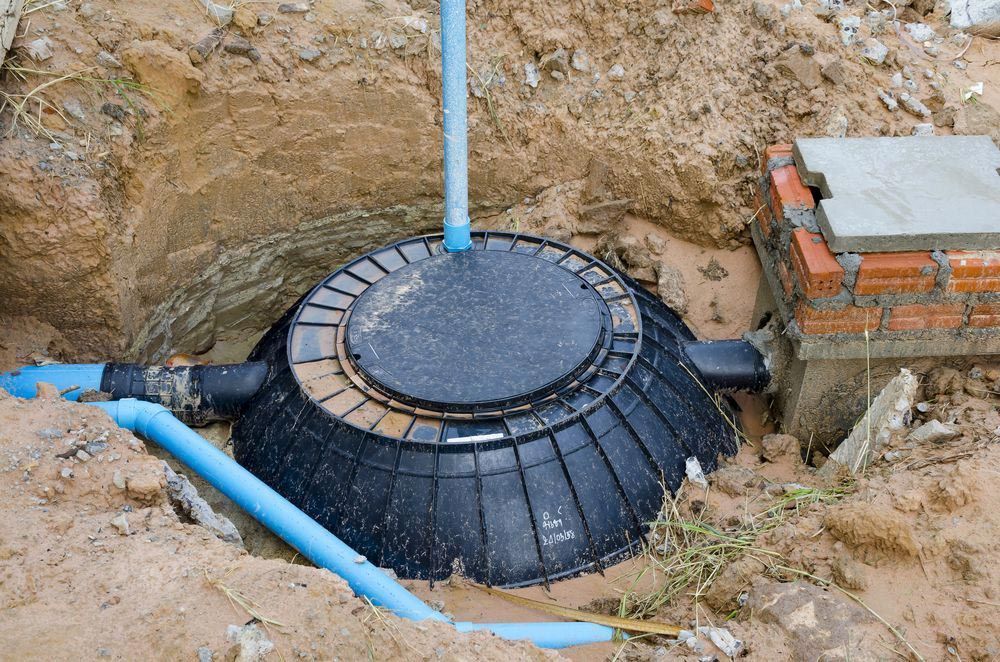
A “septic system” is often used as a catch-all, but there are different configurations that can change how the system must be managed. Some properties have a basic septic tank and absorption trench. Others have an on-site sewerage facility that includes additional treatment stages before effluent is dispersed. System type matters because it affects inspections, servicing expectations and what can legally be installed or altered.
When you’re dealing with approvals or ongoing maintenance, it helps to know what you have and how it is meant to function. A mismatch between usage and system design is one of the reasons homeowners experience odours, slow drains, soggy disposal areas, or unexpected overflow.
- Septic tank and disposal trench setups rely heavily on soil condition and drainage
- Secondary treatment systems may have added components that need regular checks
- Household size and water use can affect performance more than people expect
- Older systems may not match current standards for new work or upgrades
Local approvals and who regulates what
Septic compliance is not only about keeping the tank empty. It ties into public health, environmental responsibilities and building approvals. In many cases, local council processes intersect with state requirements, particularly when a system is installed, modified, relocated, or when the property use changes.
For homeowners, the practical takeaway is that paperwork matters. If you are renovating, adding a bedroom, installing a granny flat, or changing the way water is used on-site, you may trigger a requirement to review whether the existing system is still suitable. Keeping your approvals, service records and any system design documentation in one place can make future steps far less stressful.
- New systems and major changes usually require approvals and design documentation
- Renovations that increase occupancy can affect system capacity requirements
- Setbacks from boundaries, waterways and structures can influence what’s allowed
- Service records can help show responsible management if questions arise
Pump-out timing: what’s recommended vs what’s required
Pump-out frequency is a common source of confusion because there isn’t a single number that suits every property. Tank size, household size, water use habits and what enters the system all influence how quickly solids build up. Some systems cope well for longer periods. Others need more frequent pump-outs to prevent solids moving into the disposal area, which can shorten its life.
Where people get caught out is waiting for obvious symptoms. By the time you notice slow drainage or smells, the system may already be under stress. A routine approach, based on your property’s usage and past history, is usually easier to manage than last-minute call-outs.
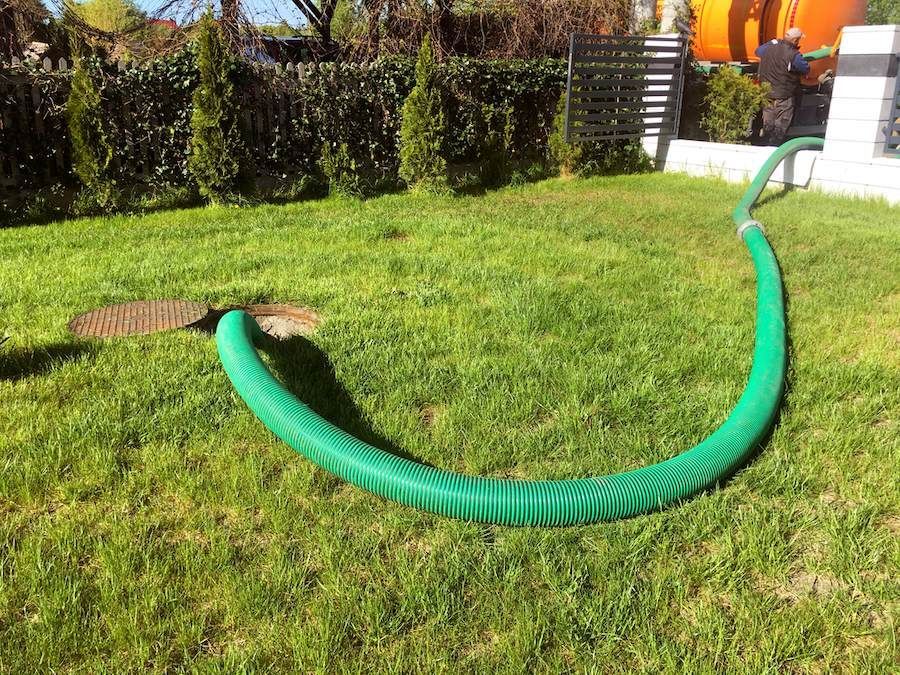
If you are booking a septic tank pump out in Mackay, a provider can also help you understand whether the interval you’ve been using makes sense for your setup.
- Pump-outs depend on solids build-up, not just time passing
- Infrequent pump-outs can increase the risk of solids reaching the disposal area
- Keeping a simple pump-out log supports planning and compliance
- A provider can explain what they observed, which helps inform next timing
Signs your system isn’t coping the way it should
Many septic issues start quietly. A system can be “working” in the sense that wastewater disappears, while still operating outside its comfort zone. Early signs are worth acting on because they often indicate a manageable problem, rather than a major failure.
Look for patterns rather than one-off moments. A single slow drain after heavy rain might be nothing. Repeated slow drains, new smells, pooling water near the disposal area, or gurgling sounds can suggest the system is struggling. Another red flag is a disposal area that stays wetter than usual, especially during dry periods.
- Drains slowing across multiple fixtures can indicate system load issues
- Odours around the tank or disposal area can signal ventilation or treatment problems
- Pooling water near the trench area may point to poor dispersal or saturation
- Gurgling and backups can be signs the system needs prompt assessment
Renovations and new builds: when you need to upgrade the system
Planning work on your home is often when septic compliance becomes unavoidable. Adding bedrooms, increasing water fixtures, or building an extra dwelling can change the expected wastewater load. Even if the system has been “fine”, it might not be sized or positioned appropriately for the new use. That can affect approvals, resale and insurance considerations, depending on the circumstances.
For new builds, correct system selection and placement are critical. Soil type, slope, drainage, setbacks and access for servicing all matter. For renovations, it’s usually about confirming whether the existing system is suitable, and if not, what a compliant upgrade path looks like.
- Increased occupancy can change the required system capacity
- Property layout changes can affect setback and placement rules
- Access for maintenance should be considered early in the design stage
- Documentation from the start can prevent delays during approvals
What not to send down the drain if you want fewer issues
Best practice for septic systems often comes down to what enters the tank. Many household products don’t break down well and can upset the balance of the system. Fats, oils and grease can create build-up. Wet wipes and hygiene products can contribute to blockages. Harsh chemicals can disrupt the microbial activity that helps processing.
This isn’t about being perfect. It’s about avoiding the repeat offenders that tend to create avoidable problems. If you are unsure, a simple rule is to treat the septic system as a biological process that works best when it receives wastewater and toilet paper, not extra solids or aggressive chemicals.
- Avoid putting oils and grease down the sink, as they can form stubborn build-up
- Keep wipes, hygiene products and paper towel out of the system
- Use cleaning products in moderation to reduce system disruption
- Be mindful of what goes through the kitchen and laundry drains
Wet season risks and protecting nearby waterways
Wet season conditions can change how a septic system behaves, particularly when soil becomes saturated. Disposal areas rely on the ground’s ability to absorb and disperse effluent. When the ground is already holding a lot of water, dispersal can slow down. That increases the risk of pooling, surface flow, or nutrient movement into areas it shouldn’t reach.
From a responsibility standpoint, it’s not only about protecting your own property. It’s also about environmental duty of care, especially near drains, creeks and low-lying land. Managing stormwater, keeping disposal areas protected and staying on top of maintenance all play a part.
- Saturated soil can reduce dispersal and increase pooling risk
- Stormwater run-off should be managed so it doesn’t overload disposal areas
- Keeping disposal zones clear helps identify problems early
- Timely maintenance can reduce the chance of wet-season failures
How a licensed waste treatment provider can help you stay compliant
A licensed provider is not just there to remove waste. They can help you keep records, identify warning signs and understand how your system is tracking over time. That support is especially useful for homeowners new to septic systems, people who have bought a rural property, or anyone planning upgrades where documentation and compliance matter.
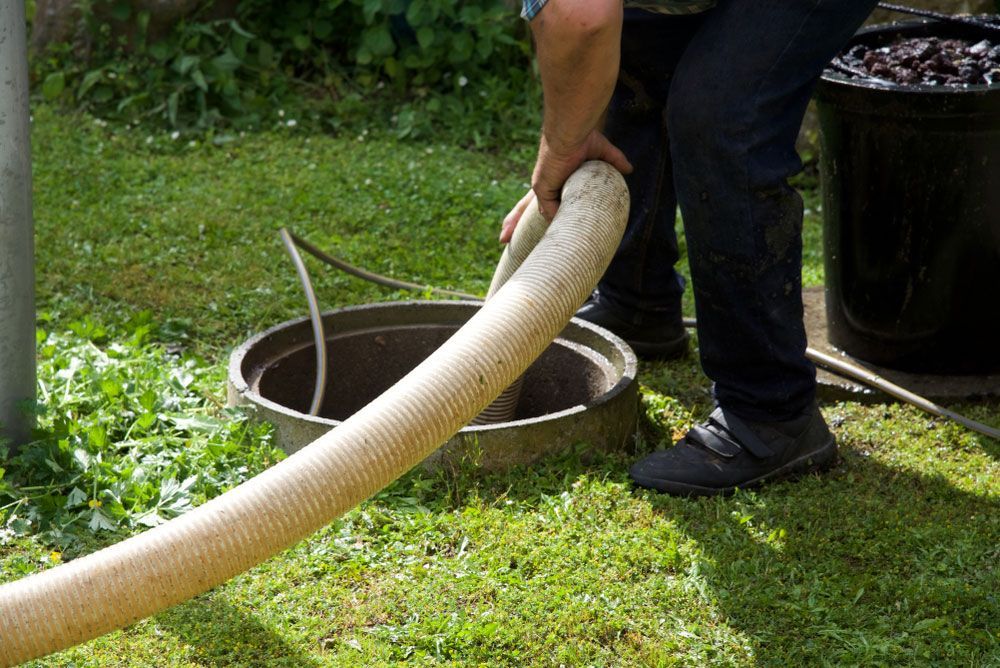
If you need septic pumping in Mackay, it’s worth choosing a provider who can explain what they found and what it means for your next steps, without pushing unnecessary work. Clear notes, a consistent schedule and an understanding of your system type can make septic management far more straightforward.
- Regular servicing supports record keeping and planning
- Observations during pump-out can highlight early issues
- Providers can help explain what upgrades may be required for new works
- Having a single point of contact can simplify ongoing compliance
Plan Your Next Pump-Out With Confidence
We at C & C Hire help homeowners stay on top of septic maintenance and paperwork without making it complicated, so if you’re organising a septic tank pump out in Mackay or want to book septic pumping in Mackay, contact us to discuss your system type, your property needs and the best timing for your next service.